 ZENDER
2、Mybatis源码-Mybatis SQL执行流程
一,准备工作
mapper.xml
<mapper namespace="com.DemoMapper">
    <select id="selectAll" parameterType="Map" resultType="Map">
        select * from test
        <if test="id != null and id != ''">
            WHERE id = ${id}
        </if>
    </select>
</mapper>
main方法
 public static void main(String[] args) throws Exception {
     String resource = "mybatis.xml";
     InputStream inputStream = Resources.getResourceAsStream(resource);
     SqlSessionFactory sqlSessionFactory = new SqlSessionFactoryBuilder().build(inputStream);
     //从调用者角度来讲,利用SqlSession对象与数据库打交道
     SqlSession sqlSession = sqlSessionFactory.openSession();
     //通过动态代理去帮我们执行SQL
     DemoMapper mapper = sqlSession.getMapper(DemoMapper.class);
     Map<String,Object> map = new HashMap<>();
     map.put("id","1");
     System.out.println(mapper.selectAll(map));
     sqlSession.close();
 }
1.1、流程图
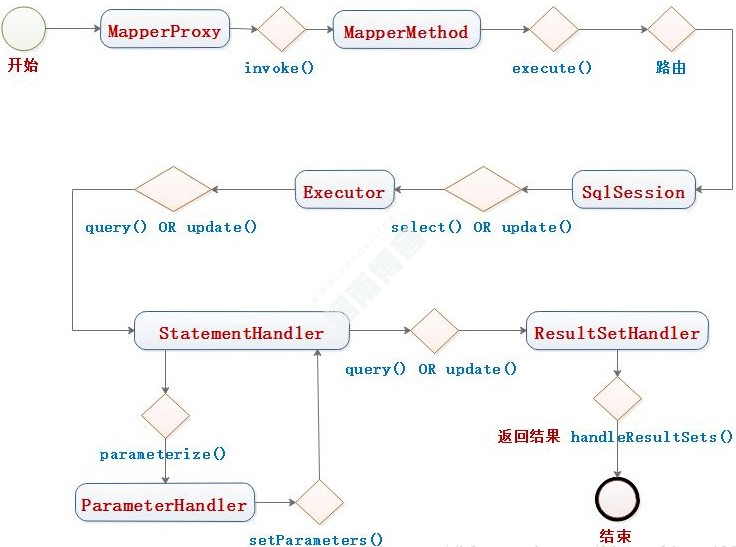
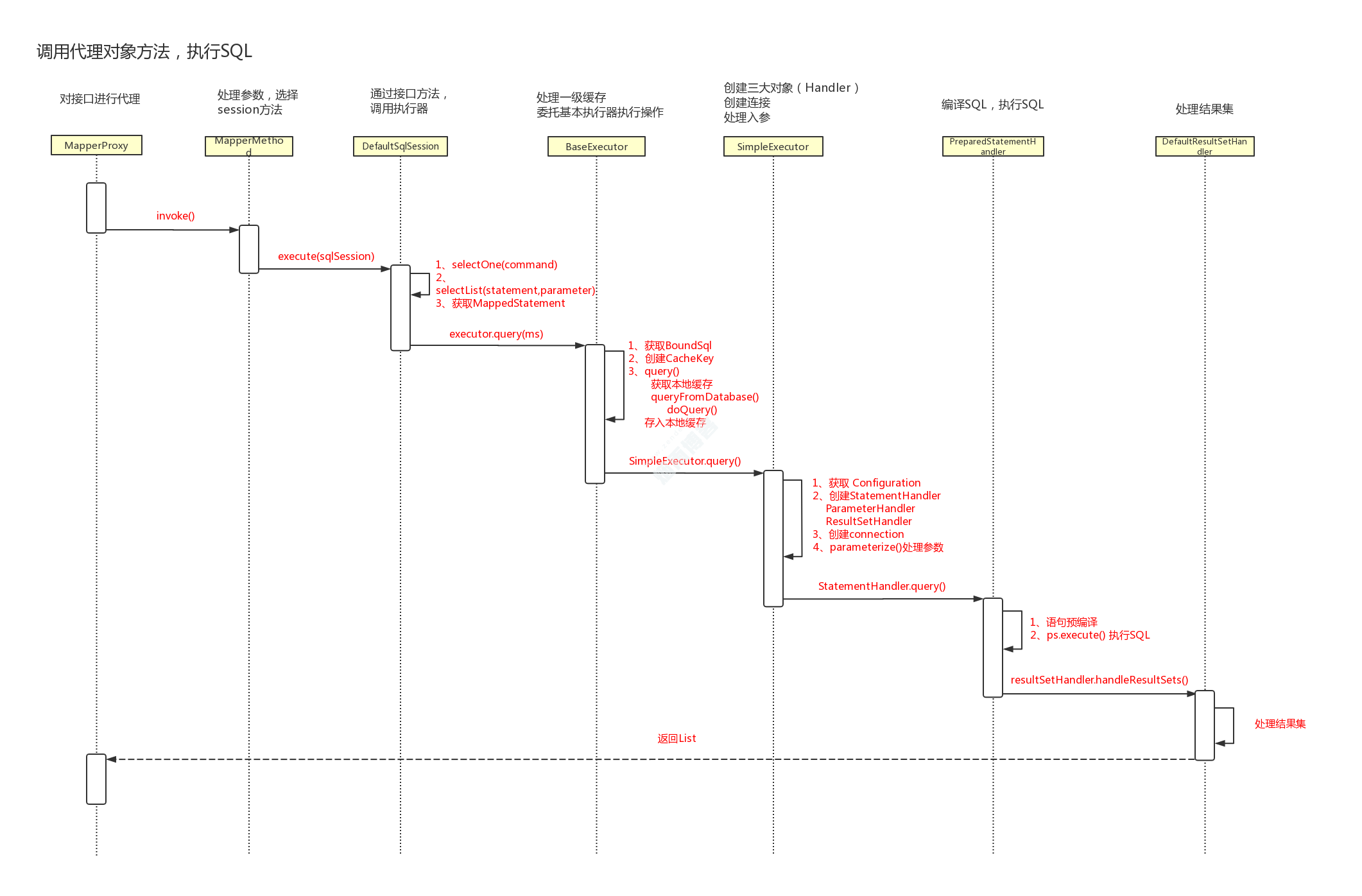
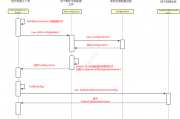
可以看到MapperProxy调用invoke方法,进而调用MapperMethod的execute(),这些MapperMethod就是和你要执行的命令相关,比如执行select语句,则会通过SqlSession的select()方法(会根据类型不同,路由到不同的SqlSession中的方法执行),最终调用到Executor的query方法。Executor会再协调另外核心组件xxxHandler等进行处理。
二、sqlSession.getMapper()
通过代码sqlSession.getMapper(DemoMapper.class);获取到代理对象。
// DefaultSqlSession.getMapper();
@Override
public <T> T getMapper(Class<T> type) {
    return configuration.getMapper(type, this);
}
// Configuration.getMapper();
public <T> T getMapper(Class<T> type, SqlSession sqlSession) {
    return mapperRegistry.getMapper(type, sqlSession);
}
// MapperRegistry.getMapper();
public <T> T getMapper(Class<T> type, SqlSession sqlSession) {
    //获取接口对应的泛型工厂类,前面注册mapper的时候调用MapperRegistry.addmapper()存入的
    final MapperProxyFactory<T> mapperProxyFactory = (MapperProxyFactory<T>) knownMappers.get(type);
    if (mapperProxyFactory == null) {
        throw new BindingException("Type " + type + " is not known to the MapperRegistry.");
    }
    try {
        //通过JDK动态代理获取代理类。
        return mapperProxyFactory.newInstance(sqlSession);
    } catch (Exception e) {
        throw new BindingException("Error getting mapper instance. Cause: " + e, e);
    }
}MapperProxyFactory代理工厂类,用于生成MapperProxy。由于MapperProxy是实现了InvocationHandler接口。执行代理操作,会调用mapperProxy.invoke()方法。
public class MapperProxyFactory<T> {
  private final Class<T> mapperInterface;
  private final Map<Method, MapperMethod> methodCache = new ConcurrentHashMap<>();

  public MapperProxyFactory(Class<T> mapperInterface) {
    this.mapperInterface = mapperInterface;
  }

  public Class<T> getMapperInterface() {
    return mapperInterface;
  }

  public Map<Method, MapperMethod> getMethodCache() {
    return methodCache;
  }

  @SuppressWarnings("unchecked")
  protected T newInstance(MapperProxy<T> mapperProxy) {
    //执行代理操作,将调用mapperProxy.invoke()方法。
    return (T) Proxy.newProxyInstance(mapperInterface.getClassLoader(), new Class[] { mapperInterface }, mapperProxy);
  }

  public T newInstance(SqlSession sqlSession) {
    final MapperProxy<T> mapperProxy = new MapperProxy<>(sqlSession, mapperInterface, methodCache);
    return newInstance(mapperProxy);
  }
}
//MapperMethod.execute()方法
@Override
public Object invoke(Object proxy, Method method, Object[] args) throws Throwable {
try {
if (Object.class.equals(method.getDeclaringClass())) {
return method.invoke(this, args);
} else if (method.isDefault()) {
if (privateLookupInMethod == null) {
return invokeDefaultMethodJava8(proxy, method, args);
} else {
return invokeDefaultMethodJava9(proxy, method, args);
}
}
} catch (Throwable t) {
throw ExceptionUtil.unwrapThrowable(t);
}
//拿到MapperMethod,这个类是整个代理机制的核心类,对Sqlsession当中的操作进行了封装
final MapperMethod mapperMethod = cachedMapperMethod(method);
return mapperMethod.execute(sqlSession, args);
}三,MapperMethod
MapperMethod里面有2个类,通过构造函数传入。
//一个封装了SQL标签的类型的对象(insert update delete select)
private final SqlCommand command;
//一个封装了方法的参数信息,返回类型信息等
private final MethodSignature method;

public MapperMethod(Class<?> mapperInterface, Method method, Configuration config) {
    this.command = new SqlCommand(config, mapperInterface, method);
    this.method = new MethodSignature(config, mapperInterface, method);
}
execute方法,里面根据不同command.getType(),路由到恰当的SqlSession方法上做处理。
//根据不同Type,路由到恰当的SqlSession方法上做处理
public Object execute(SqlSession sqlSession, Object[] args) {
    Object result;
    switch (command.getType()) {
        case INSERT: {
            //处理参数
            Object param = method.convertArgsToSqlCommandParam(args);
            result = rowCountResult(sqlSession.insert(command.getName(), param));
            break;
        }
        case UPDATE: {
            Object param = method.convertArgsToSqlCommandParam(args);
            result = rowCountResult(sqlSession.update(command.getName(), param));
            break;
        }
        case DELETE: {
            Object param = method.convertArgsToSqlCommandParam(args);
            result = rowCountResult(sqlSession.delete(command.getName(), param));
            break;
        }
        case SELECT:
            //如果返回void并且参数有resultHandler(该对象可以对对返回的结果进行处理,然后再返回给用户)
            if (method.returnsVoid() && method.hasResultHandler()) {
                executeWithResultHandler(sqlSession, args);
                result = null;
                //如果返回多行结果则调用executeForMany(),里面调用的是sqlSession.selectList();
            } else if (method.returnsMany()) {
                result = executeForMany(sqlSession, args);
                //如果返回类型是map则调用executeForMap方法,里面调用的是sqlSession.selectMap();
            } else if (method.returnsMap()) {
                result = executeForMap(sqlSession, args);
            } else if (method.returnsCursor()) {
                //查询可以返回Cusror<T>类型的数据,类似于JDBC里的ResultSet类。
                //当查询百万级的数据的时候,使用游标可以节省内存的消耗,不需要一次性取出所有数据,可以进行逐条处理或逐条取出部分批量处理。
                //里面调用的sqlSession.selectCursor()
                result = executeForCursor(sqlSession, args);
            } else {
                //查询单个对象
                Object param = method.convertArgsToSqlCommandParam(args);
                result = sqlSession.selectOne(command.getName(), param);
                if (method.returnsOptional()
                    && (result == null || !method.getReturnType().equals(result.getClass()))) {
                    result = Optional.ofNullable(result);
                }
            }
            break;
        case FLUSH:
            //刷新缓存
            result = sqlSession.flushStatements();
            break;
        default:
            throw new BindingException("Unknown execution method for: " + command.getName());
    }
    if (result == null && method.getReturnType().isPrimitive() && !method.returnsVoid()) {
        throw new BindingException("Mapper method '" + command.getName()
                                   + " attempted to return null from a method with a primitive return type (" + method.getReturnType() + ").");
    }
    return result;
}这里我们查询的是单个对象,进入result = sqlSession.selectOne(command.getName(), param);默认使用的DefaultSqlSession类
四,DefaultSqlSession
SqlSession接口的默认实现,内部5个属性,通过构造方法传入。
private final Configuration configuration;
private final Executor executor;
//是否自动提交事务,默认false
private final boolean autoCommit;
//标记是否为脏数据,需要roolback的。
private boolean dirty;
//Cusror<T>类型的数据,类似于JDBC里的ResultSet类。
private List<Cursor<?>> cursorList;

public DefaultSqlSession(Configuration configuration, Executor executor, boolean autoCommit) {
    this.configuration = configuration;
    this.executor = executor;
    this.dirty = false;
    this.autoCommit = autoCommit;
}

public DefaultSqlSession(Configuration configuration, Executor executor) {
    this(configuration, executor, false);
}

@Override
public <T> T selectOne(String statement) {
    return this.selectOne(statement, null);
}

@Override
public <T> T selectOne(String statement, Object parameter) {
    // Popular vote was to return null on 0 results and throw exception on too many.
    List<T> list = this.selectList(statement, parameter);
    if (list.size() == 1) {
        return list.get(0);
    } else if (list.size() > 1) {
        throw new TooManyResultsException("Expected one result (or null) to be returned by selectOne(), but found: " + list.size());
    } else {
        return null;
    }
}

@Override
public <E> List<E> selectList(String statement, Object parameter) {
    return this.selectList(statement, parameter, RowBounds.DEFAULT);
}

@Override
public <E> List<E> selectList(String statement, Object parameter, RowBounds rowBounds) {
    try {
        //configuration连接对象中获取MappedStatement,里面包含了需要执行的SQL语句
        MappedStatement ms = configuration.getMappedStatement(statement);
        //装饰者模式
        //如果开启二级缓存(前提是没在setting指定那个执行器),先使用CachingExecutor,再使用BaseExecutor
        return executor.query(ms, wrapCollection(parameter), rowBounds, Executor.NO_RESULT_HANDLER);
    } catch (Exception e) {
        throw ExceptionFactory.wrapException("Error querying database.  Cause: " + e, e);
    } finally {
        ErrorContext.instance().reset();
    }
}
五,xxxExecutor
mybatis中的Executor执行器,Executor为接口,BaseExecutor是Executor默认实现(抽象类),通过装饰者模式,加强了BaseExecutor的功能。
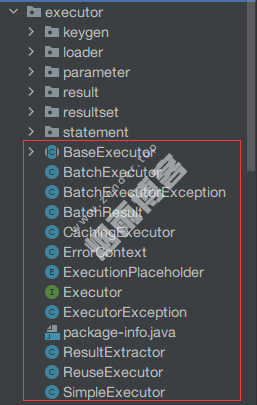
| BaseExecutor | BaseExecutor是Executor默认实现(抽象类),实现了执行器的基本功能。 具体使用哪一个Executor则是可以在 mybatis 的 config.xml 中进行配置的。默认为SimpleExecutor <setting name="defaultExecutorType" value="SIMPLE"/> |
| BatchExecutor | 批量操作的执行器,批量执行后会返回一 个 |
| CachingExecutor | 启用二级缓存的执行器,使用的是TransactionalCacheManager。 |
| ReuseExecutor | 可重用的执行器,其定义了一个Map<String, Statement>,将执行的sql作为key,将执行的Statement作为value保存,这样执行相同的sql时就可以使用已经存在的Statement,就不需要新创建了。 |
| SimpleExecutor | 最简单的一个执行器。 |

5.1、CachingExecutor
@Override
public <E> List<E> query(MappedStatement ms, Object parameterObject, RowBounds rowBounds, ResultHandler resultHandler) throws SQLException {
    BoundSql boundSql = ms.getBoundSql(parameterObject);
    //创建缓存的key,返回二级缓存的key
    CacheKey key = createCacheKey(ms, parameterObject, rowBounds, boundSql);
    return query(ms, parameterObject, rowBounds, resultHandler, key, boundSql);
}

@Override
public <E> List<E> query(MappedStatement ms, Object parameterObject, RowBounds rowBounds, ResultHandler resultHandler, CacheKey key, BoundSql boundSql)
    throws SQLException {
    Cache cache = ms.getCache();
    if (cache != null) {
        //判断要不要清空缓存
        flushCacheIfRequired(ms);
        if (ms.isUseCache() && resultHandler == null) {
            ensureNoOutParams(ms, boundSql);
            //使用TransactionalCacheManager来管理二级缓存
            @SuppressWarnings("unchecked")
            List<E> list = (List<E>) tcm.getObject(cache, key);
            if (list == null) {
                //如果二级缓存没有拿到,则去一级缓存获取,这里会走到BaseExecutor.query()
                list = delegate.query(ms, parameterObject, rowBounds, resultHandler, key, boundSql);
                tcm.putObject(cache, key, list); // issue #578 and #116
            }
            return list;
        }
    }
    return delegate.query(ms, parameterObject, rowBounds, resultHandler, key, boundSql);
}
5.2、BaseExecutor
 @SuppressWarnings("unchecked")
@Override
public <E> List<E> query(MappedStatement ms, Object parameter, RowBounds rowBounds, ResultHandler resultHandler, CacheKey key, BoundSql boundSql) throws SQLException {
    ErrorContext.instance().resource(ms.getResource()).activity("executing a query").object(ms.getId());
    if (closed) {
        throw new ExecutorException("Executor was closed.");
    }
    if (queryStack == 0 && ms.isFlushCacheRequired()) {
        clearLocalCache();
    }
    List<E> list;
    try {
        queryStack++;
        //获取一级缓存
        list = resultHandler == null ? (List<E>) localCache.getObject(key) : null;
        if (list != null) {
            handleLocallyCachedOutputParameters(ms, key, parameter, boundSql);
        } else {
            //缓存为null,查询数据库
            list = queryFromDatabase(ms, parameter, rowBounds, resultHandler, key, boundSql);
        }
    } finally {
        queryStack--;
    }
    if (queryStack == 0) {
        for (DeferredLoad deferredLoad : deferredLoads) {
            deferredLoad.load();
        }
        // issue #601
        deferredLoads.clear();
        if (configuration.getLocalCacheScope() == LocalCacheScope.STATEMENT) {
            // issue #482
            clearLocalCache();
        }
    }
    return list;
}

private <E> List<E> queryFromDatabase(MappedStatement ms, Object parameter, RowBounds rowBounds, ResultHandler resultHandler, CacheKey key, BoundSql boundSql) throws SQLException {
    List<E> list;
    //提前放一个占位符
    localCache.putObject(key, EXECUTION_PLACEHOLDER);
    try {
        list = doQuery(ms, parameter, rowBounds, resultHandler, boundSql);
    } finally {
        //查询完成后,替换占位符为数据
        localCache.removeObject(key);
    }
    localCache.putObject(key, list);
    if (ms.getStatementType() == StatementType.CALLABLE) {
        localOutputParameterCache.putObject(key, parameter);
    }
    return list;
}
5.3、SimpleExecutor
@Override
public <E> List<E> doQuery(MappedStatement ms, Object parameter, RowBounds rowBounds, ResultHandler resultHandler, BoundSql boundSql) throws SQLException {
    Statement stmt = null;
    try {
        //获取连接对象configuration
        Configuration configuration = ms.getConfiguration();
        //创建StatementHandler
        StatementHandler handler = configuration.newStatementHandler(wrapper, ms, parameter, rowBounds, resultHandler, boundSql);
        //处理参数。构成JDBC的Statement
        stmt = prepareStatement(handler, ms.getStatementLog());
        return handler.query(stmt, resultHandler);
    } finally {
        closeStatement(stmt);
    }
}
六,xxxStatementHandler
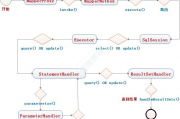
负责操作 Statement 对象与数据库进行交流,结构如下:
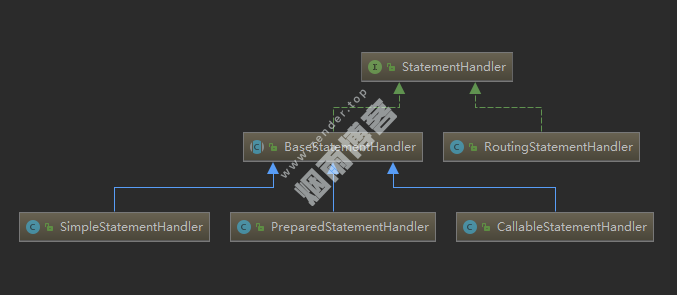
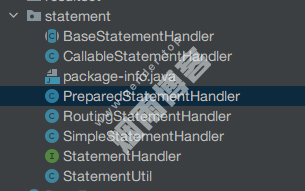
6.1、PreparedStatementHandler
@Override
public <E> List<E> query(Statement statement, ResultHandler resultHandler) throws SQLException {
    PreparedStatement ps = (PreparedStatement) statement;
    //执行查询
    ps.execute();
    //处理结果集
    return resultSetHandler.handleResultSets(ps);
}
七、Mybatis执行SQL时序图
八、Mybatis四大对象
StatementHandler:处理sql语句预编译,设置参数等相关工作。
ParameterHandler:设置预编译参数。
ResultHandler:处理结果集。
Executor:它是一个执行器,真正进行java与数据库交互的对象。
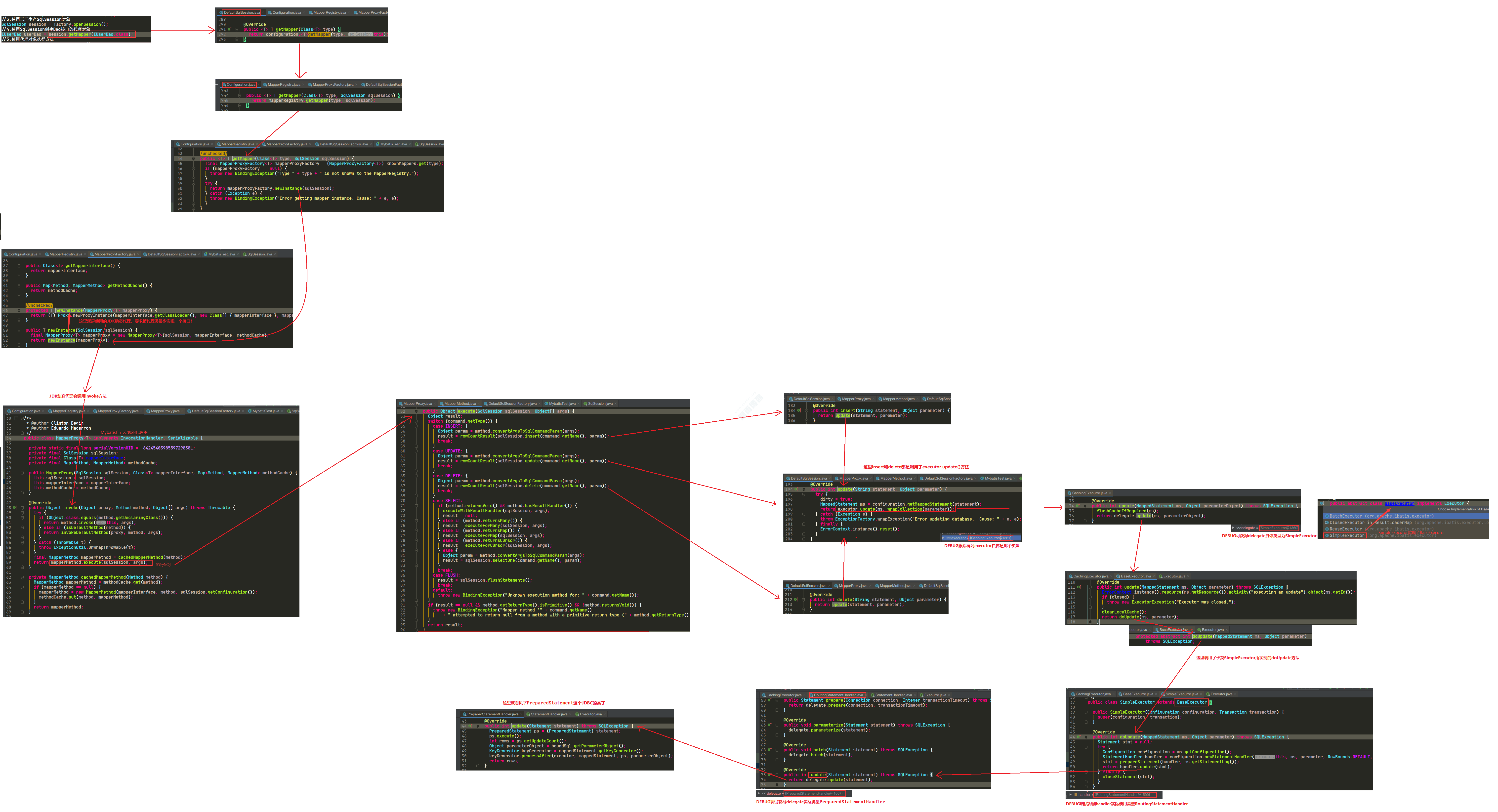
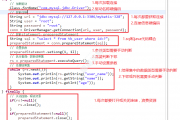
九、代码流程
版权声明
非特殊说明,本文由Zender原创或收集发布,欢迎转载。
上一篇:1、Mybatis简单入门 下一篇:3、Mybatis源码-Mybatis配置解析
相关文章

作者文章
- MyBatisCodeHelper-Pro3.3.6+2321破解 2年前 (2024-10-17)
- 网站迁移公告 2年前 (2024-10-10)
- Java项目防止SQL注入4总方式 3年前 (2023-09-06)
- JAVA开发小技巧--读取文件魔数来识别文件类型 3年前 (2023-08-24)
- 分类树菜单优化 3年前 (2023-08-22)
发表评论:
◎欢迎参与讨论,请在这里发表您的看法、交流您的观点。